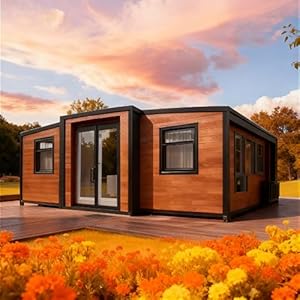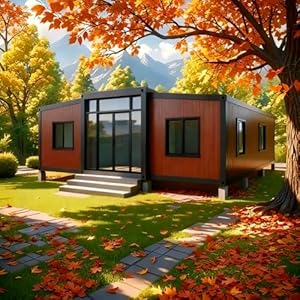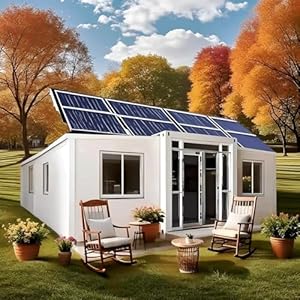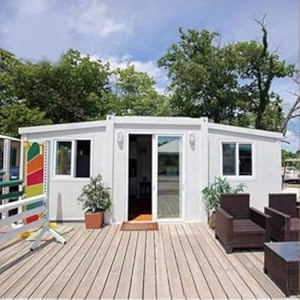

If you’re considering building a tiny home, you might think you can set it up wherever you like. However, that’s not the case. Local zoning laws and building codes can greatly impact your plans. Before you start dreaming of your cozy space, you need to understand the legal landscape in your area. What restrictions could you face? Let’s explore the crucial factors that could influence your tiny home project.
Understanding Zoning Laws for Tiny Homes
As you explore the world of tiny homes, understanding zoning laws is crucial since these regulations can significantly impact where you can place your new dwelling.
Different areas have specific zoning classifications that dictate whether tiny homes are permissible. Residential, agricultural, or mixed-use zones may have varying restrictions. You’ll need to check local ordinances, as some cities embrace tiny homes, while others might prohibit them altogether.
Additionally, certain zones may require you to adhere to minimum square footage rules or set-back requirements. It’s essential to engage with your local planning department to gain clarity on these laws.
Navigating Building Codes and Permits
Before you can move into your tiny home, navigating building codes and permits is essential to ensure your dwelling meets safety and legal standards.
Start by researching the specific codes in your area, as they can vary widely. You’ll likely need to submit plans to your local building department for approval.
Be prepared to provide details about the structure, including dimensions, materials, and utilities. Obtain necessary permits for construction, plumbing, and electrical work.
Remember, inspections are often required during and after construction to verify compliance. Failing to follow these regulations can result in fines or forced removal of your home, so take the time to understand and adhere to local requirements.
It’s a crucial step in the tiny home journey.
Types of Land Suitable for Tiny Home Construction
Finding the right land for your tiny home is crucial to ensure a smooth living experience.
First, consider rural lots, often more affordable and less regulated than urban areas. These spaces typically provide ample land for parking and gardening.
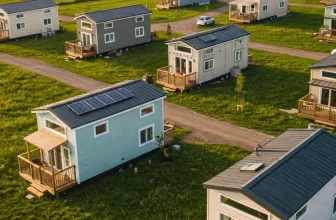
Next, look into tiny home communities, which are designed specifically for small dwellings and often come with shared amenities.
If you prefer suburban areas, check for residential zones that permit tiny homes, as some neighborhoods welcome innovative housing solutions.
Additionally, consider land with existing utilities to simplify the building process. Remember, proximity to resources like water, electricity, and waste disposal can make your life easier.
Each type of land offers unique benefits, so choose what aligns best with your lifestyle and needs.
Common Restrictions and Considerations to Keep in Mind
While exploring the possibility of building a tiny home, it’s essential to be mindful of common restrictions and considerations that can impact your plans.
Zoning laws often dictate where you can place your tiny home, so check local regulations first. You may find that certain areas allow only traditional houses or have minimum size requirements.
Additionally, building permits are frequently necessary, and the process can vary by location. Utilities, like water and sewage, must also be addressed; some areas may not have the infrastructure to support tiny homes.
Finally, consider homeowners’ associations (HOAs) or community guidelines, which might impose further limitations. Staying informed will help you navigate these challenges effectively and ensure your tiny home dream becomes a reality.
Conclusion
In conclusion, building a tiny home isn’t as simple as picking any plot of land. You need to understand local zoning laws, navigate building codes, and secure the right permits. Not all land is suitable for tiny homes, and restrictions can vary widely. Always consult your local planning department before starting your project to ensure you’re in compliance with regulations. By doing your homework, you can make your tiny home dream a reality without legal headaches.
Trending Products